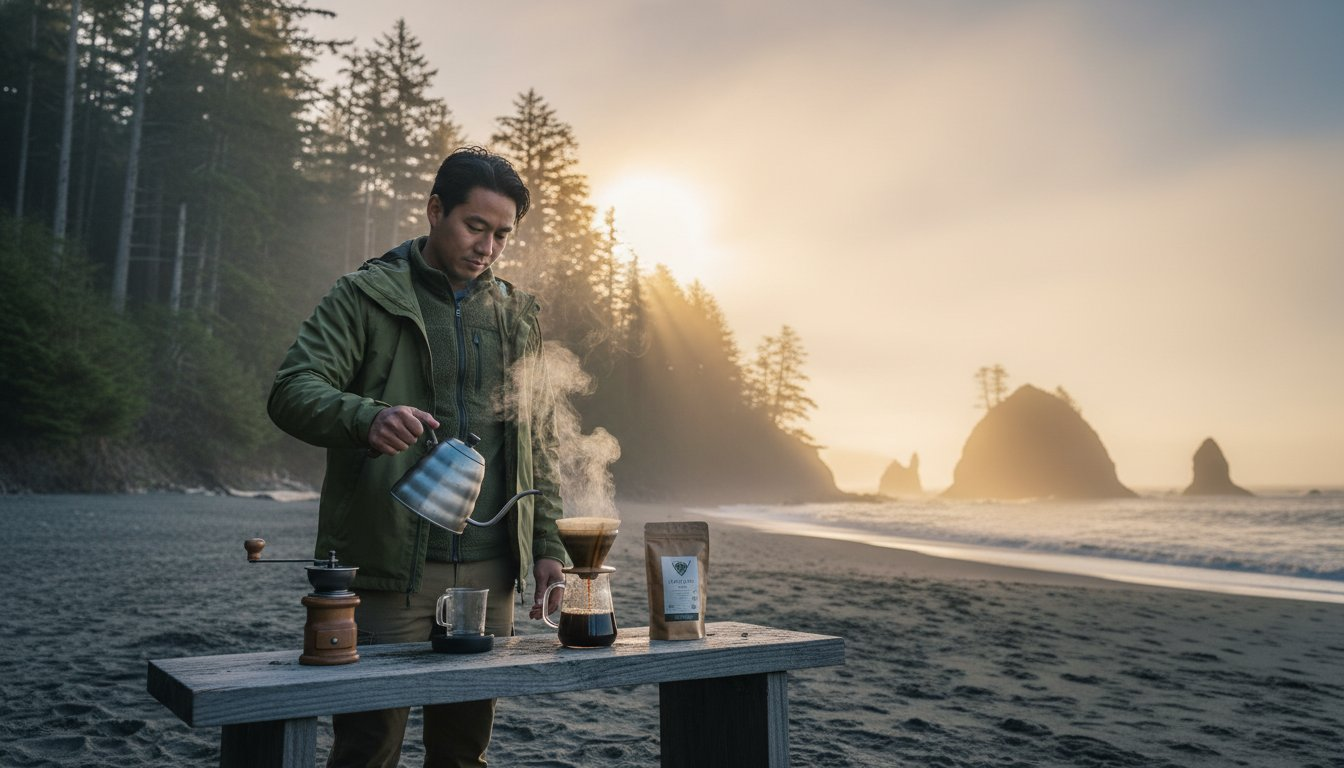
Why are you still fueling your body with “zombie beans” that have been sitting on a grocery shelf for 210 days? It’s a common trap for explorers. You’re packing your gear for a sunrise trek, but your coffee is a burnt, oily mess from a massive corporation that doesn’t know your name. You know that bitter, hollow taste. It’s the opposite of the wild, vibrant energy you find in the woods. You deserve a brew that’s as bold as the terrain you’re about to conquer.
Finding the right oregon small batch coffee roasters is the secret to transforming your morning ritual into a legendary experience. Oregon currently supports over 1,100 independent roasting operations, and they’re leading the world in flavor and freshness. This guide will help you navigate the local scene to find beans that actually taste like the peaks and valleys they come from. We’re breaking down roast profiles and identifying the specific fuel you need for your next 15 mile hike or coastal campout.
Key Takeaways
- Learn how Oregon’s unique climate and the Maillard reaction transform high-altitude beans into legendary fuel for your journey.
- Explore the PNW flavor map to see why oregon small batch coffee roasters range from floral city notes to bold, coastal roasts.
- Master the art of selecting the right blend for your brewing method, whether you’re using a pour-over or a campfire percolator.
- Identify the specific flavor profiles and roasting techniques that separate an industrial process from a true small-batch art form.
- Discover the signature blends born in the heart of Bigfoot country that are built to power your wildest adventures.
What Defines Oregon Small Batch Coffee Roasters?
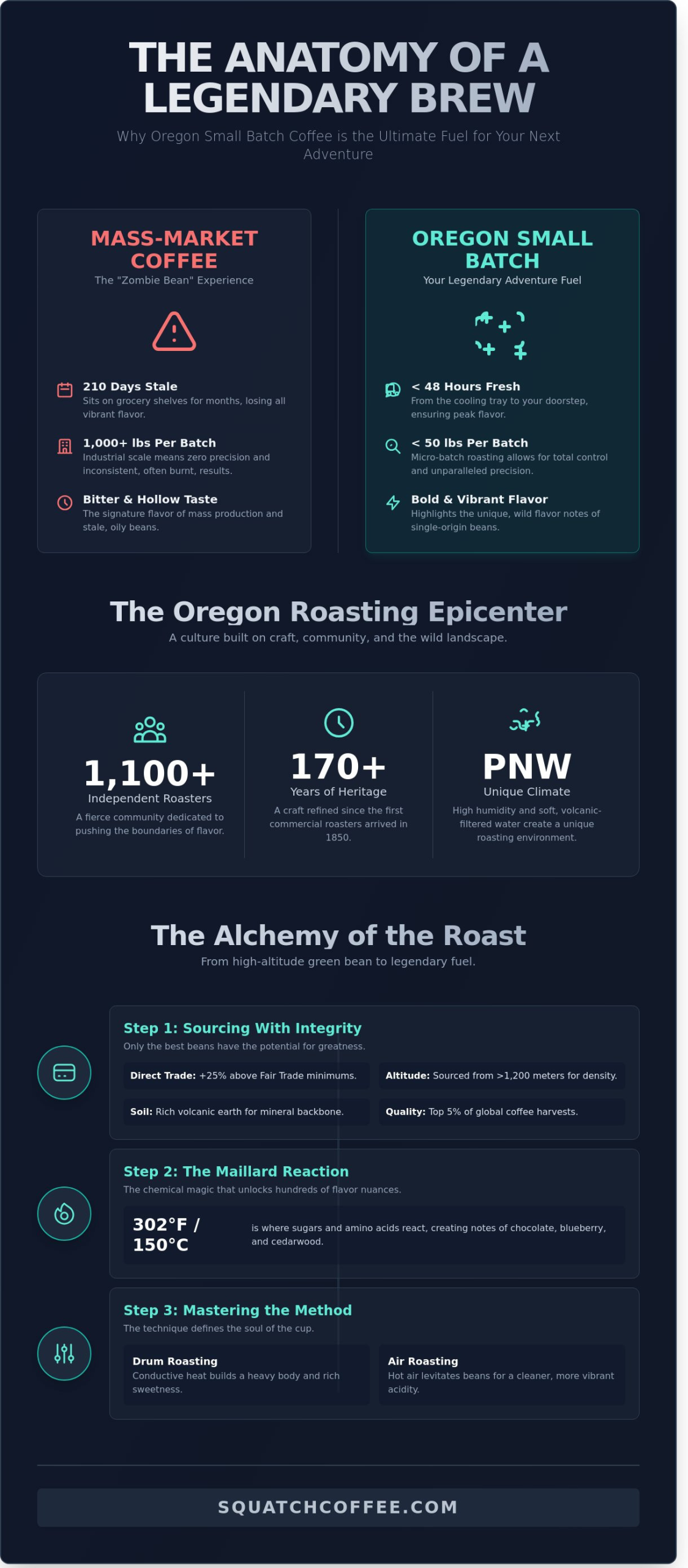
Oregon isn’t just a place on a map; it’s a state of mind where the wild meets the refined. In the misty corridors of the Pacific Northwest, coffee isn’t a mere commodity. It’s the fuel for every sunrise summit and every rain-soaked trail. True oregon small batch coffee roasters reject the industrial, assembly-line approach that defines most grocery store shelves. They treat roasting as a high-stakes expedition. While massive commercial plants process 1,000 pounds of beans in a single cycle, a local artisan might only handle 20 pounds at a time. This allows for total control over the heat, airflow, and timing. It’s the difference between a mass-produced map and a hand-drawn guide through the backcountry.
The Pacific Northwest became the global epicenter for specialty coffee because of a refusal to settle for “good enough.” In Oregon, the environment itself plays a silent role in the roasting drum. The high humidity levels and the soft, volcanic-filtered water found in the Cascades create a unique roasting atmosphere. The science of coffee roasting proves that ambient moisture and pressure change how heat penetrates the bean. Oregon roasters have mastered these variables over decades. They don’t just slap a “gourmet” label on a bag. They use their senses to track the “first crack” and pull the beans at the exact second the sugars caramelize into something legendary.
The Micro-Batch Philosophy
Precision is the law of the woods. In the world of oregon small batch coffee roasters, micro-batching means roasting in quantities strictly under 50 pounds. This small scale allows a roaster to highlight the specific, wild flavor notes of a single-origin bean, whether it’s the citrus snap of an Ethiopian heirloom or the smoky depth of a Sumatran. Freshness is the ultimate prize here. Because these batches are small, they don’t sit in warehouses for months. Most local bags move from the cooling tray to your doorstep in under 48 hours. It’s the freshest fuel you can find for your next adventure.
Oregon’s Roasting Heritage
The obsession started early. Since the first commercial roasters arrived in Portland around 1850, Oregonians have been refining the craft. This 170-year history evolved from basic survival rations into the modern third-wave movement that values transparency and grit. Today, Oregon is home to over 1,100 licensed coffee roasters, each carving out their own path. This community-driven culture means roasters often share secrets over a brew, yet they remain fiercely independent. The rugged landscape, from the jagged coast to the high desert, shapes the flavor profiles locals love: bold, complex, and unyielding. It’s a heritage built on the belief that a great cup of coffee can make you feel invincible, even in the middle of a torrential downpour.
The Science of the Roast: From Green Bean to Legendary Fuel
Great coffee starts in the dirt and ends in your mug before a sunrise hike. It isn’t just a morning ritual; it’s the high-octane fuel required for the rugged Pacific Northwest lifestyle. The best oregon small batch coffee roasters don’t just cook beans. They engineer energy. This process begins at high altitudes, usually above 1,200 meters, where Arabica beans develop the density needed to survive the intense heat of the roaster. These dense beans pack more flavor compounds than their low-altitude cousins, providing the complex profile that local explorers demand.
The transformation from a hard, green seed to a brittle, aromatic bean relies on chemistry. Around 302°F, the Maillard Reaction begins. This is the same chemical magic that browns a steak or toasts bread. Amino acids and reducing sugars react to create hundreds of different flavor nuances. In the hands of a master roaster, this reaction unlocks hidden notes of blueberry, chocolate, or cedarwood. We track these temperature curves with 0.1-degree precision to ensure every batch hits the peak of its potential. If the heat isn’t perfect, the legend dies in the drum.
Sourcing with Integrity
Relationships are the backbone of the wild. We prioritize direct trade over generic certifications because knowing the farmer matters more than a stamp on a crate. By paying 25% above Fair Trade minimums, we ensure sustainable harvests from volcanic regions. Soils rich in potassium and phosphorus from ancient eruptions give our beans a distinct mineral backbone. This density allows the coffee to stand up to the bold, often rainy PNW palate. Only the top 5% of global harvests meet the criteria that defines specialty coffee, and that’s exactly where we hunt for our beans.
Mastering the Heat
The roast method defines the soul of the cup. Drum roasting uses a rotating metal cylinder to build a heavy body and rich sweetness through conductive heat. Conversely, air roasting levitates the beans on a bed of hot air, which often produces a cleaner, more vibrant acidity. Every roast reaches a critical turning point known as the “First Crack.” Occurring at approximately 380°F, this audible pop signals that the bean’s internal moisture has turned to steam. Timing the roast after this moment is a razor-thin balancing act.
- Light Roasts: Pulled shortly after the first crack; high acidity, floral notes, and maximum origin character.
- Medium Roasts: Balanced body and sweetness; the “sweet spot” for many trail-ready blends.
- Dark Roasts: Roasted until the second crack; bold, smoky, and heavy with caramelized sugars.
Patience is a virtue often forgotten in the modern world. After the beans leave the heat, they require 48 to 72 hours of degassing. During this time, carbon dioxide escapes, allowing the true flavor profile to stabilize. We use a rigorous cupping process to verify the quality of every single roast. We sample, slurp, and score. If a batch doesn’t taste “Squatchy”-meaning bold, clean, and powerful-it never leaves the warehouse. When you choose oregon small batch coffee roasters, you’re choosing a product that has been scrutinized by experts who live for the wild. Ready to taste the difference? Grab some freshly roasted fuel for your next summit attempt and feel the difference that precision roasting makes.
Coastal vs. City Roasting: The Oregon Flavor Map
Oregon’s geography dictates your caffeine fix. You won’t find the same bean profile in a Portland high-rise that you’ll find on a driftwood log in Rockaway Beach. The state splits into two distinct camps: the urban scientists and the coastal adventurers. While Portland roasters often chase the delicate notes of a washed Ethiopian heirloom, coastal roasters pounce on the heavy, chocolatey depths of a Sumatran dark roast. This divide isn’t just about taste; it’s about the environment where you drink it. A thin, tea-like coffee disappears in the salty gale of the Pacific, but a bold, smoky cup thrives there.
The Oregon Coffee Board has worked since 2014 to bridge these regional gaps, helping roasters from the valley to the shore maintain the high standards that define the state. Whether you’re navigating the dense fog of Tillamook County or the crowded streets of the Pearl District, the local roasting scene offers a map of flavors as diverse as the terrain itself. For those seeking oregon small batch coffee roasters, understanding this regional friction is the key to finding your perfect fuel.
The Rugged Coastline Profile
Coastal coffee is built for survival. In towns like Rockaway Beach and Garibaldi, the air is damp and the mornings are cold. You don’t want a finicky, high-acidity light roast when the wind is whipping at 30 miles per hour. You want body. Coastal roasters focus on “Adventure Coffee”-blends that stay hot and taste bold even out of a battered thermos. These roasts favor notes of dark cocoa, molasses, and toasted nuts. They’re designed to cut through the salt air. Since 2019, Rockaway Beach has seen a 15% increase in boutique roasting operations, proving that the coast is no longer just a destination for cheap diner mugs. It’s a frontier for serious, heavy-hitting beans that power you through a hike at Neahkahnie Mountain.
The Portland Experimentalists
Portland is the laboratory. Here, the competition is fierce and the roasting machines are dialed into the millisecond. City roasters lean heavily into the “Third Wave” philosophy, where the goal is to highlight the fruit and the soil. You’ll find coffees that taste like jasmine, bergamot, or green apple. It’s a high-stakes game of acidity and clarity. While a Manzanita local might reach for a French Roast to pair with the morning mist, a Portlander is likely looking for a light-roasted Kenyan bean that mimics a complex tea. The urban cafe experience is about the ritual of the pour-over, a stark contrast to the rugged, “grab-your-gear-and-go” vibe of the coastal roasteries. It’s the difference between a laboratory and a campfire.
Regional preferences define the daily grind across the state. Locals in the Willamette Valley often gravitate toward balanced medium roasts that offer a “best of both worlds” experience. However, as you move toward the 101 highway, the preference for “Squatch-sized” bold flavors takes over. Consider these regional staples:
- Manzanita: High demand for smooth, low-acid beans that pair with beach walks.
- Garibaldi: A growing hub for dark, smoky roasts that reflect the town’s fishing heritage.
- The Valley: A stronghold for experimental honey-processed beans and floral profiles.
The rise of oregon small batch coffee roasters in these “frontier” towns means you no longer have to sacrifice quality for intensity. You can have a legendary cup of coffee whether you’re deep in the woods or stuck in city traffic. Believe in the legend of the roast, and let the terrain guide your choice. Every bag tells a story of where it was fired, and in Oregon, that story is always a wild one.
How to Choose Your Small Batch Blend
Selecting a bag from oregon small batch coffee roasters isn’t a chore; it’s the first step of your next expedition. You wouldn’t wear flip-flops to climb Mount Hood. Don’t grab a stale, mass-produced bag for your morning ritual. Small batch roasting is about precision, and your selection process should be just as sharp. You’re looking for fuel that matches your pace.
Start by identifying your flavor profile. Do you want a cup that hits like a heavy timber fall? Look for “nutty” or “bold” descriptions on the label. These beans usually hail from Brazil or Sumatra. They offer deep chocolate, smoke, and earth notes. If you prefer a sunrise in a cup, go for “bright” or “fruity” profiles. These often come from Ethiopian or Kenyan highlands. They bring citrus and berry acidity that wakes up your senses with every sip. It’s the difference between a thick wool blanket and a crisp mountain breeze.
Your brewing method dictates the bean. A French Press thrives on coarse, oily dark roasts. The long immersion time extracts those heavy sugars perfectly. A Chemex or V60 pour-over demands the nuance of a light roast. These methods highlight the delicate floral notes that disappear in darker roasts. If you’re using a campfire percolator, stick to a rugged medium-dark blend. It’s built to handle the fluctuating heat of a real flame without turning bitter.
Check the roast date immediately. This is non-negotiable in the world of oregon small batch coffee roasters. Small batch means speed and proximity. If that bag was roasted more than 21 days ago, leave it on the shelf. The peak flavor window sits between 4 and 14 days after roasting. During this time, the beans degas carbon dioxide while retaining their volatile oils. Freshness isn’t just a buzzword; it’s the chemical reality of a legendary cup.
The Best Roast for Every Adventure
Dark roasts provide the heavy-duty fuel needed at 5:00 AM trailheads. They offer low acidity and high body, standing up well to a splash of cream. Medium roasts serve as the reliable 4×4 of coffee; they work in the office or the truck. Light roasts are for the quiet moments. Use them on slow Sunday mornings to taste the specific soil and rain of the farm where the beans grew.
Brewing on the Wild Side
Making camp coffee requires grit and the right technique. Grind size is the variable that ruins most outdoor brews. A 2023 study of brewing consistency found that 45% of enthusiasts struggle with bitter coffee because their grind is too fine for their equipment. Bring a manual burr grinder to the site. Keep your water temperature around 200 degrees Fahrenheit. For the ultimate PNW kit, pack a stainless steel Aeropress and a vacuum-sealed canister to lock in that small-batch aroma. Don’t settle for instant packets when you can have a masterpiece by the fire.
Sasquatch Coffee: Oregon’s Most Legendary Small Batch
We don’t roast coffee in a sterile industrial park. You’ll find our roastery in Rockaway Beach, a rugged 7-mile stretch of Oregon coastline where the forest meets the Pacific. This is the heart of Bigfoot country. The salt air and the dense treeline of the Tillamook State Forest shape everything we do. We’ve chosen this location because it demands respect and rewards the bold. It’s the perfect environment for oregon small batch coffee roasters who prioritize character over mass production. When you’re 85 miles away from the nearest corporate skyscraper, you learn to rely on grit and high-quality fuel.
Our roasting process happens in small, controlled increments. We never exceed 15-pound batches. This allows us to monitor the internal temperature of the beans with surgical precision, ensuring the natural sugars caramelize without ever scorching. Large-scale roasters lose this nuance, but we embrace it. Every bag of coffee from The Sasquatch Coffee Company represents a specific moment in time and a dedication to the craft that you simply can’t find in a grocery store aisle. We’re roasting for the believers, the hikers, and the people who know that a great day starts with a potent cup.
Our signature blends are designed to mirror the intensity of the wild. Eyeshine is our flagship medium-dark roast, named after that haunting glow you see in the brush at midnight. It offers a smooth, chocolatey finish that cuts through the morning fog. For those who need a massive jolt of energy, Yeti is our specialized white coffee. It’s roasted at a lower temperature to preserve maximum caffeine content, delivering a nutty flavor profile and a kick that’ll get you up any mountain. When the sun goes down, Howl in the Night provides a deep, smoky dark roast experience. It’s the ultimate companion for a campfire conversation under the stars.
The Sasquatch Difference
Freshness isn’t a marketing buzzword for us; it’s a survival tactic. We ship every order within 48 hours of roasting to ensure you never drink a stale, flat cup. Our commitment extends beyond the bean. We actively support local trail maintenance and conservation efforts within the 364,000 acres of the Tillamook State Forest. We believe in protecting the wild spaces where legends live. Our beans are the preferred fuel for explorers because they provide clean energy without the chemical aftertaste of mass-produced blends. We’re proud to be among the most dedicated oregon small batch coffee roasters serving the PNW community.
Join the Legend
You don’t have to hunt for the perfect bag every week. The Sasquatch Coffee Company’s Club delivers fresh roasts directly to your door every 30 days. Subscribers save 15% on every order and get first access to limited-edition ‘Squatchy’ merchandise, including our heavy-duty camping mugs and forest-ready headwear. It’s the most convenient way to keep your pantry stocked with legendary fuel. Stop settling for mediocre brews and start your morning with a roast that has as much spirit as you do. Fuel your next adventure with The Sasquatch Coffee Company!
Fuel Your Next Great Oregon Adventure
The trail to the perfect cup leads straight to the rugged heart of the Pacific Northwest. You’ve discovered how the unique geography of the coast and the precision of the roast create something more than just a morning beverage. It’s legendary fuel for the bold. Finding the right oregon small batch coffee roasters means prioritizing freshness and craftsmanship over mass production. Whether you crave the deep, misty notes of a coastal profile or the sharp energy of a city blend, the magic is in the small-batch process.
Squatch Coffee has spent over 10 years perfecting this art in Rockaway Beach, Oregon. We roast every bag with the same spirit of discovery that defines the PNW wilderness. Our beans aren’t just roasted; they’re prepared for those who live for the climb and the early morning mist. You get peak flavor every time because we never compromise on quality or tradition. It’s time to upgrade your kit with a roast that can keep up with your pace.
Stop settling for average beans that have been sitting on a shelf for months. Grab a bag that’s as wild as the legend itself. You’ll even enjoy free shipping on all subscription orders to keep your pantry stocked for the road ahead. Shop Oregon’s freshest small-batch coffee now!
The wild is calling. Drink like you believe in the legendary.
Oregon Coffee Roasting FAQs
What makes Oregon coffee roasters different from national brands?
Oregon roasters focus on quality over massive volume by roasting in batches under 50 pounds. National brands often let bags sit on shelves for 180 days, but local roasters usually ship within 48 hours of the beans leaving the cooling tray. This ensures you get the full profile of the bean instead of a stale, flat cup. It’s the difference between a pre-packaged snack and a fresh meal cooked over a campfire.
How long does small-batch coffee stay fresh after roasting?
Small-batch coffee hits its peak flavor between 7 and 21 days after the roast date. During the first 48 hours, beans release carbon dioxide in a process called degassing. If you wait longer than 30 days, nearly 60% of the delicate aromatic compounds disappear. Keep your supply moving like a fast mountain stream to ensure your fuel stays potent and flavorful.
Is small-batch coffee more expensive than grocery store brands?
You’ll typically pay $18 to $25 for a 12-ounce bag, which is higher than the $8 commercial brands found in supermarkets. This price reflects the 80-plus specialty score of the beans and fair wages paid to farmers at the source. It’s an investment in a legendary experience that powers your morning better than any bargain bin find. You get what you pay for on the trail and in your mug. For those who want to explore the ultimate in premium roasts, our comprehensive garibaldi or coffee roundup of the PNW’s most legendary small-batch roasts reveals the secrets behind the country’s most elite coffee experiences.
What is the best way to store fresh coffee beans?
Store your beans in an airtight, opaque container kept at a steady room temperature in a dark pantry. Oxygen is the enemy of flavor and can ruin a batch in just 24 hours if the bag stays open. Avoid the refrigerator because moisture ruins the bean’s cell structure and absorbs odors. Treat your beans like essential gear; keep them dry, dark, and ready for action.
Do Oregon roasters offer organic or fair-trade options?
Yes, over 75% of oregon small batch coffee roasters prioritize ethical sourcing and organic practices. Many roasters go beyond standard certifications by visiting farms directly to ensure workers earn 15% above the fair-trade minimum. This commitment protects the wild places we love and the people who inhabit them. You can taste the integrity in every sip of this clean, sustainable fuel.
Can I buy Oregon small-batch coffee online if I live outside the PNW?
Most oregon small batch coffee roasters ship their legendary blends to all 50 states through their online stores. Standard shipping usually costs between $5 and $9, though many shops offer free delivery on orders over $50. Your coffee arrives at your door within 3 to 5 business days of the roast date. No matter where your trail leads, the spirit of the Northwest is just a click away. For coastal adventurers specifically, finding the best coffee for Rockaway Beach means sourcing beans that can handle the salt air and morning fog while delivering the bold flavor needed for beach exploration.
What is the “First Crack” in coffee roasting?
The first crack is a physical “pop” that happens when beans reach roughly 380 degrees Fahrenheit during the roast. It sounds like popcorn hitting the bottom of a hot kettle. This moment marks the transition from a raw seed to a light roast as moisture escapes the bean. It’s the signal that the bean’s internal pressure has peaked and the complex flavors are ready to emerge.
Which coffee roast has the most caffeine?
Light roasts pack more caffeine by volume than dark roasts because the beans are denser. A standard 12-ounce cup of light roast contains about 210mg of caffeine, while a dark roast drops to roughly 190mg. Roasting longer burns off more of the bean’s mass and slightly reduces the caffeine content. If you need maximum fuel for a steep climb, reach for the lighter beans to get that extra kick.