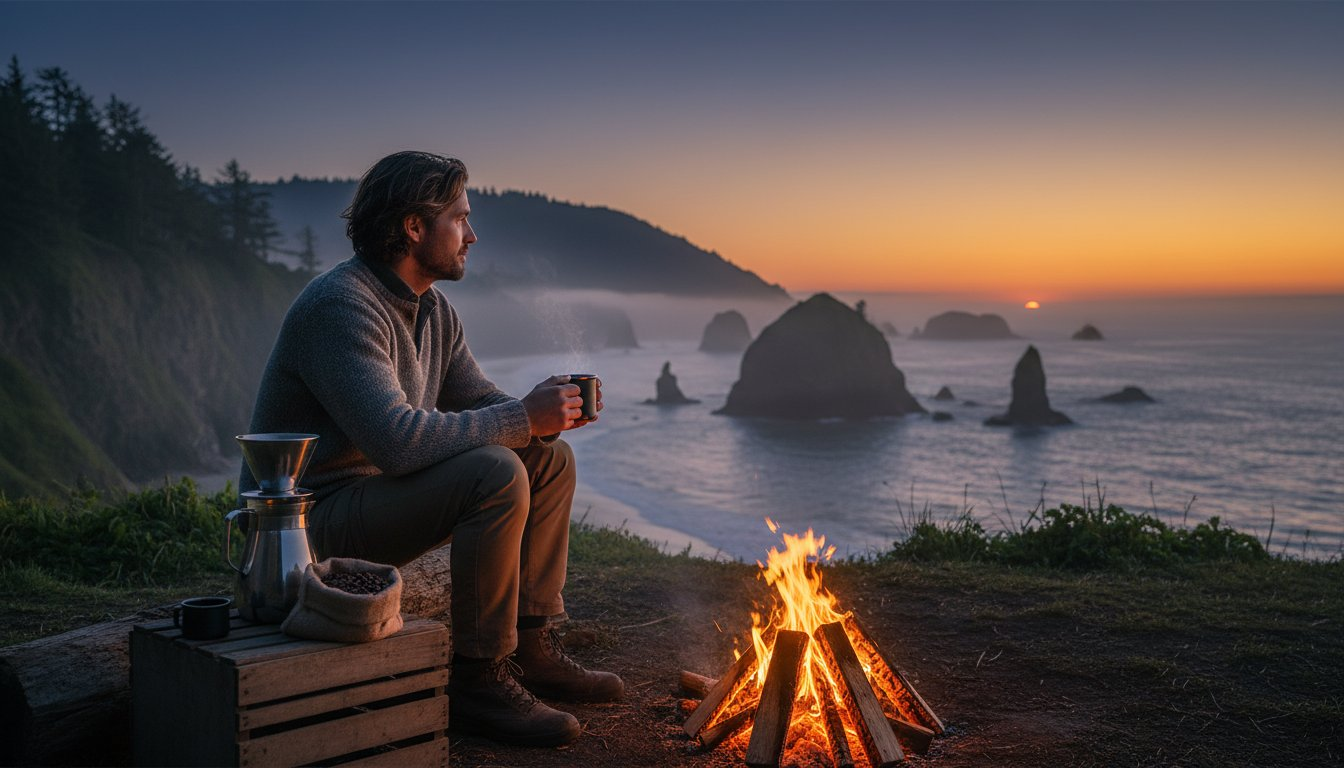
Most decaf coffee tastes like cardboard soaked in swamp water. It’s a harsh truth that 82% of coffee drinkers have experienced at least once. Finding the best decaf coffee beans shouldn’t feel like hunting for a mythical beast in a thick fog. You want the ritual of a warm mug by the campfire without the 3:00 AM jitters. But too often, you’re stuck with a thin, watery brew that carries a chemical aftertaste from poor processing. It’s frustrating to settle for a dull roast when you’re craving the bold, legendary flavor of the wild.
We’ve tracked down the top picks for 2026 to prove that decaf isn’t a dirty word. You’ll discover how to find beans that actually taste like real coffee and fuel your late-night adventures without the caffeine crash. We’re diving into the cleanest decaffeination methods and revealing the top-tier roasts that maintain their rich, rugged character. It’s time to reclaim your midnight brew with a Squatch approved cup that hits the peak of flavor. Stop settling for subpar fuel and start drinking coffee that lives up to the legend.
Key Takeaways
- Stop settling for “afterthought” brews and discover how specialty-grade roasting has transformed decaf into bold fuel for every explorer.
- Uncover the “Big Three” decaffeination methods to ensure your mug stays chemical-free and packed with its original wild soul.
- Master the hunter’s checklist to track down the best decaf coffee beans using the 14-day freshness rule for a legendary cup.
- Learn the specific brewing secrets, from grind adjustments to water temps, needed to handle the unique brittleness of premium decaf beans.
- Get an inside look at ‘Howl in the Night,’ our small-batch PNW roast designed to be the ultimate late-night adventure companion.
What Defines the Best Decaf Coffee Beans in 2026?
For decades, decaf was the ghost in the roastery; a thin, bitter shadow of “real” coffee. That era is dead. In 2026, the best decaf coffee beans are defined by one uncompromising metric: total flavor retention. Roasters across the Pacific Northwest led a 22% surge in specialty decaf production between 2023 and 2025. They stopped treating these beans as a secondary chore. They started treating them like legendary fuel. Modern roasting houses now demand the same density and moisture standards for decaf as they do for their prize-winning Geishas.
The old myth that decaf must taste like a laboratory is gone. High-altitude Arabica beans don’t lose their soul just because they lose their kick. By refining the decaffeination process through chemical-free Swiss Water and pressurized CO2 methods, roasters now preserve the volatile oils that create a wild, mountain-grown profile. You get the grit and the glory without the midnight tremors. It’s about precision, not chemicals.
The Evolution of Decaf Flavor Profiles
The “brown water” days are buried in the past. Today’s top-tier beans boast complex notes of dark chocolate, toasted oak, and bright stone fruit. 2026 marks the peak of the Transparent Decaf movement. This movement ensures you track the bean from a specific high-altitude lot in Colombia or Ethiopia straight to your mug. Roasters apply the same rigorous heat profiles to decaf as they do to their flagship blends. They don’t hide behind dark roasts anymore. They let the terroir shine through every cup.
Why Your Late-Night Brew Deserves Better
The “Explorer’s Nightcap” is the new ritual for those who want the campfire warmth without the 3 a.m. ceiling-stare. You shouldn’t sacrifice your sleep quality or your recovery time to enjoy a rich brew after a long day on the trail. It’s about maintaining the ritual of the grind and the pour. Specialty decaf is coffee that passes a blind taste test against caffeinated peers. It’s honest fuel for the soul, keeping you sharp for the next dawn. Don’t settle for dusty grocery store leftovers when you can have a legendary brew.
- Flavor First: 97% caffeine-free doesn’t mean 97% flavor-free.
- Clean Sourcing: 2026 standards require organic, water-processed methods.
- Roast Integrity: Small-batch roasting ensures the beans don’t turn to charcoal.
The Process: How the Best Beans Lose Caffeine but Keep the Soul
Decaf used to be the ghost of the coffee world. It was thin, papery, and lacked the punch needed for a long day in the wilderness. That changed. In 2026, the best decaf coffee beans are treated with the same respect as their high-octane brothers. We don’t just want the caffeine gone. We want the soul of the bean to stay. This means processing happens at the source. When beans are decaffeinated in the same region where they’re grown, like the high-altitude farms of Huila, they retain their original terroir. You get the forest floor, the dark cocoa, and the wild berry notes without the midnight shakes.
Modern methods focus on precision. They strip the caffeine molecules while leaving the essential oils and flavor compounds untouched. Scientific studies now confirm that the flavor of decaffeinated coffee can maintain a complex aromatic profile that rivals standard brews. It’s about using the right tool for the job. Whether you’re brewing at a misty campsite or in your kitchen, the process determines if your cup is legendary or just lukewarm brown water.
Swiss Water Process vs. Sugarcane (EA)
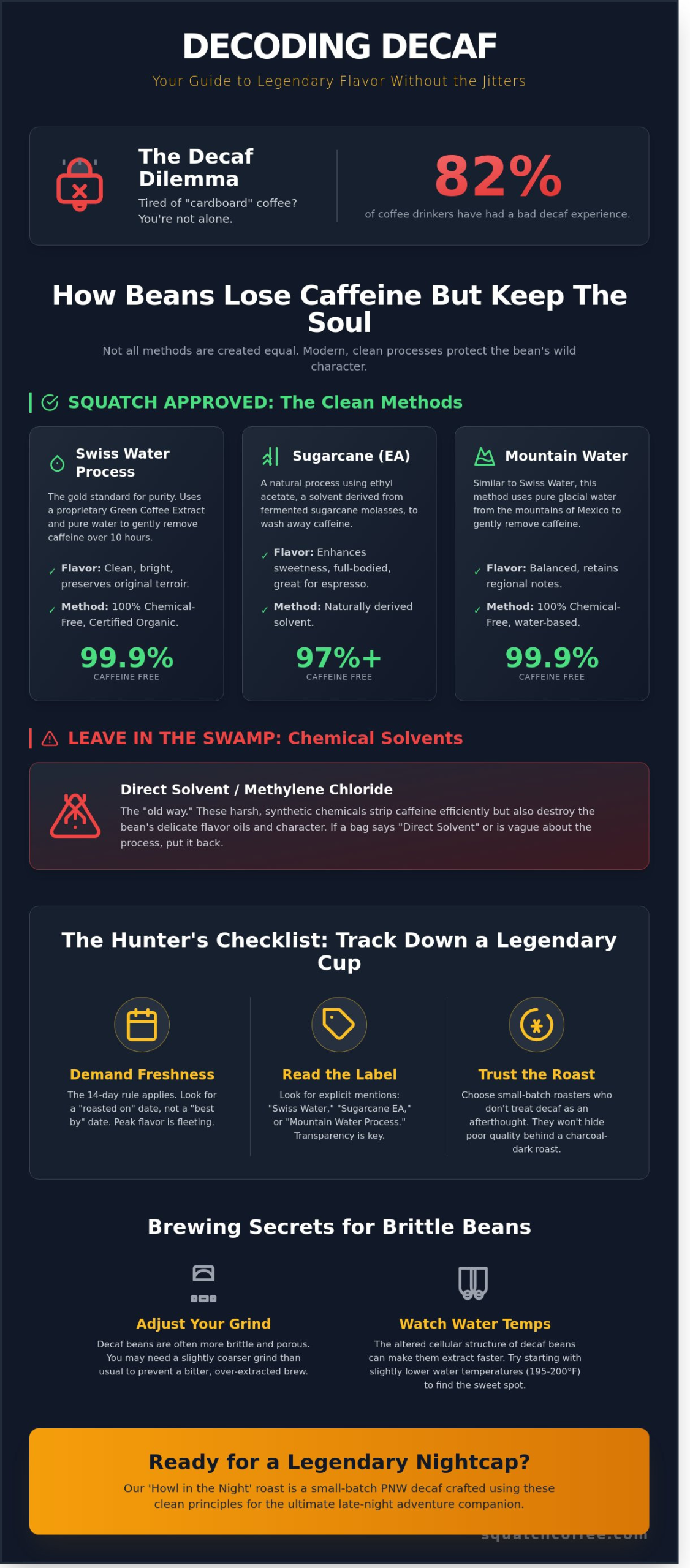
Swiss Water is the gold standard for the chemical-free purist. It uses no synthetic solvents. Beans soak in Green Coffee Extract for 10 hours until 99.9% of the caffeine is gone. It’s organic, clean, and perfect for light to medium roasts. Sugarcane processing, or Ethyl Acetate (EA), is the “natural” alternative. It uses a compound derived from fermented molasses. This method is a beast for sweetness. It enhances the sugars in the bean, making it the ideal choice for a bold, chocolatey espresso that fuels your morning trek. Both methods ensure you aren’t drinking industrial leftovers.
Identifying Clean Labels on Your Coffee Bag
Don’t let vague marketing lead you off the trail. If a bag says “Direct Solvent” or “Methylene Chloride,” put it back. These methods use synthetic chemicals to strip caffeine. They’re efficient but they kill the bean’s character. Look for “Mountain Water Process” instead. This is a Mexican-based method that uses clear glacial water to gently remove caffeine. In 2026, the global industry standard for a clean decaf is a 99.9% caffeine-free guarantee. Check the label for these specific terms to ensure your best decaf coffee beans are as pure as the mountain air. Trust the process, and the flavor will follow.
The Hunter’s Checklist: What to Look for in Premium Decaf
Finding the best decaf coffee beans is like tracking a legend through the deep woods. You need a sharp eye and a refusal to settle for scraps. Most grocery store decaf is ancient history by the time it hits the shelf. To fuel your next adventure, you must follow the 14-day rule. Freshness peaks between day 4 and day 14 after roasting. After 21 days, the complex aromatics vanish into thin air. Always hunt for a “Roasted On” date. If a bag only shows an expiration date, it is a mystery you don’t want to solve.
Whole bean is the only way to travel. Pre-ground coffee loses its soul within minutes of hitting the air because oxygen destroys flavor. By grinding your own beans, you keep the oils and character locked inside until the moment of brewing. Understanding how coffee is decaffeinated helps you spot quality. Premium roasters use methods that preserve the bean’s structural integrity. Look for “Small-Batch” labels on the packaging. Industrial roasters blast 500 pounds of beans at once, but small-batch artisans handle 60 pounds or less. This precision ensures every bean in your best decaf coffee beans selection is roasted to its absolute limit.
Roast Levels: From Light to Dark Decaf
Dark roasts are the traditional choice for decaf, but don’t fall into the oily bean trap. If your beans look like they were dipped in motor oil, they are over-roasted. This heavy processing masks the bean’s natural flavor with burnt carbon notes. Medium roasts are where the true character lives. They offer a balance of body and acidity that shines in a Pour Over. If you prefer a French Press, a stout medium-dark roast provides the grit and depth needed for a heavy-bodied cup. Match your roast to your gear to get the most out of your morning fuel.
Single Origin vs. Blended Decaf
Single-origin decaf from Colombia or Ethiopia is rising like a summer sun. These beans tell a story of a specific soil and climate, often featuring bright, fruity, or floral notes. They are perfect for the explorer who wants to taste the wilderness in every sip. Blends are different. A well-crafted decaf blend provides a consistent, legendary flavor profile 365 days a year. These usually lean into chocolate and nutty territories. Use a blend for your daily reliable brew and save the single origins for those slow mornings by the campfire when you have time to savor the nuances.
Brewing for the Wild: Maximizing Flavor in Your Decaf Cup
Owning the best decaf coffee beans is just the first step toward a legendary morning. To extract peak flavor, you’ve got to respect the bean’s journey. Decaf coffee beans are 12% more brittle than standard beans because the decaffeination process, whether Swiss Water or Ethyl Acetate, alters their cellular structure. This makes them shatter easily in your grinder. If you use your standard espresso setting, you’ll likely end up with a muddy, over-extracted mess. Back off the dial. Aim for a medium-coarse grind to keep the flavor profile clean and vibrant. It’s about precision, not guesswork.
Temperature is your next weapon in the wilderness. Most hikers settle for lukewarm water from a jetboil, but that’s a rookie mistake. For the ultimate experience, reach for a French Press. The metal mesh filter allows natural oils to pass through, providing the heavy body and mouthfeel that decaf sometimes loses during processing. Keep your Squatchy stash in a vacuum-sealed canister; oxygen is the silent enemy that steals your fuel. Store it in a cool, dark pantry to ensure every scoop tastes like it just left the roaster.
The Perfect Decaf Pour Over
A clean cup starts with a 30-second bloom. Pour 50 grams of water over your grounds and watch them swell. This phase is vital for decaf; it releases trapped CO2 that can block extraction. Use a 1:15 coffee-to-water ratio for a bold result. A slightly coarser grind prevents the water from stalling in the filter, ensuring a total brew time of exactly three minutes. This prevents the bitterness often associated with slower extractions. Finding the best decaf coffee beans means nothing if you choke the filter with fine dust; keep it coarse and keep it moving.
Campfire Decaf: The Rugged Method
When you’re miles from civilization, the AeroPress is your best friend. It’s nearly indestructible and handles the brittle nature of decaf beans perfectly. If you’re using a percolator over an open flame, monitor your heat closely. Use a double-walled carafe to maintain your temperature in the freezing mountain air. Decaf requires 200°F water to fully unlock its hidden sweetness. Don’t let the cold rob you of your reward. A consistent 200°F ensures you get those chocolatey undertones rather than a sour, under-extracted brew. Drink it black and stay sharp for the trail ahead.
Ready to upgrade your backcountry kit? Grab our legendary decaf roasts and fuel your next summit without the jitters.
Finding Your Legendary Nightcap: The Sasquatch Coffee Choice
Most decaf tastes like cardboard left out in the rain. We decided to change that narrative. Our Howl in the Night blend is the definitive answer to the decaf dilemma. We roast in small, 30-pound batches right here in the Pacific Northwest. This focused approach ensures every bean retains its natural oils and punchy aromatics. It’s why explorers often rank our roast among the best decaf coffee beans hitting the market in 2026. We ship your order within 24 hours of roasting to keep that wild, fresh-air flavor locked inside the bag.
Every purchase is backed by our Feelin’ Squatchy guarantee. If the flavor doesn’t move you, we’ll swap it out. No questions. No complicated forms. We believe in flavor first and caffeine never. To keep your pantry stocked for every midnight adventure, join the Sasquatch Coffee Club. You can set up regular deliveries every 14 or 21 days so you never run out of fuel for your late-night stories.
Why ‘Howl in the Night’ is Built for Explorers
The flavor profile is deep, dark, and intentionally mysterious. You’ll find heavy notes of toasted marshmallow, dark cacao, and a hint of smoked cedar. We refuse to use harsh solvents. Instead, we stick to a 100% chemical-free water process that removes 99.9% of the caffeine. This preserves the bean’s structural integrity. For the best experience, pour a fresh brew into a heavy Sasquatch Coffee ceramic mug. The thick clay walls hold the heat while you’re out on the porch watching the treeline for movement.
Ready to Believe in Decaf?
Switching your evening routine shouldn’t feel like a compromise. Start by replacing your late-afternoon cup with this high-quality roast. You’ll likely notice an improvement in your sleep depth within 48 hours. We’ve seen it happen with the toughest critics. One 20-year barista from Portland recently confessed they couldn’t tell the difference between our decaf and a premium full-caffeine dark roast in a blind cupping. Stop drinking bitter, dusty beans. You deserve the best decaf coffee beans to end your day on a high note. Grab a bag of Howl in the Night and fuel your late-night legends.
Tame the Night with a Legendary Roast
The search for the best decaf coffee beans shouldn’t feel like chasing a ghost through the treeline. In 2026, the standard for a premium cup has shifted toward absolute purity and bold flavor profiles. High-performance decaf now relies on 100% chemical-free methods like Swiss Water or Natural EA processing to keep the original flavor soul of the bean intact. We’ve spent over 10 years roasting in small batches right here in the Pacific Northwest, proving that a deep, rugged taste doesn’t require a caffeine kick. Our specialized roasting process ensures you get the fuel you need for late-night planning sessions without the midnight shakes. You deserve a brew that reflects the spirit of the wild, not a watered-down imitation. It’s time to elevate your evening ritual with a cup that respects the bean and your sleep schedule. Stop settling for weak, hollow roasts that leave you wanting more. Grab a bag that’s as tough as the terrain you traverse every day.
Fuel your next late-night adventure with Howl in the Night decaf
Keep your eyes on the trail and your mug full of the good stuff.
Frequently Asked Questions
Is decaf coffee 100% caffeine-free?
Decaf coffee isn’t 100% caffeine-free because the decaffeination process typically removes about 97% of the stimulant. A standard 8-ounce cup usually contains 2 to 7 milligrams of caffeine, while a regular brew packs about 95 milligrams. It’s the perfect fuel for a late-night campfire session without losing sleep. You get the legendary taste without the wild jitters.
Which decaf process tastes the best?
The Swiss Water Process and Carbon Dioxide (CO2) methods consistently produce the best decaf coffee beans for flavor purists. These 100% chemical-free techniques preserve the volatile oils and origin characteristics of the bean. You’ll taste specific notes of Ethiopian blueberries or Colombian chocolate instead of a flat, metallic profile. It’s the cleanest trail to a peak flavor experience.
Does decaf coffee go bad faster than regular coffee?
Decaf beans degrade roughly 20% faster than regular beans because the decaffeination process makes the cellular structure more porous. This increased surface area allows oxygen to penetrate the core more quickly, leading to staleness within 14 to 21 days after roasting. Keep your stash in an airtight container. Freshness is the only way to keep the legend alive in your cup.
Why is decaf coffee usually more expensive than regular coffee?
Decaf costs about 15% to 30% more because it requires an entire secondary production phase after harvesting. Roasters must pay for specialized facilities like the Swiss Water plant in British Columbia or expensive CO2 high-pressure tanks. You’re paying for the technical mastery required to strip the caffeine while keeping the soul of the bean intact. Quality gear always costs more on the trail.
Can I use decaf beans for espresso?
You can absolutely use decaf beans for espresso, though they often require a 10% finer grind setting than regular beans. Because decaf beans are more brittle from processing, they shatter differently in the grinder. Dialing in your shot takes patience, but the result is a rich, syrupy crema. It’s the ultimate fuel for those who want the espresso ritual at midnight.
What is the healthiest decaf coffee process?
The Swiss Water Process is the healthiest choice since it uses only water, temperature, and time to remove caffeine. It avoids synthetic solvents like methylene chloride, which the FDA regulated for safety back in 1985. Choosing organic, water-processed beans ensures your body stays as clean as a mountain spring. Look for the 99.9% caffeine-free seal to guarantee a pure trek.
How do I know if my decaf beans are fresh?
Check the roast date on the bag; any beans older than 30 days have likely lost their peak punch. Fresh decaf beans should smell like toasted nuts or cocoa, not cardboard or musty earth. If you squeeze a bean and it snaps cleanly, it’s still viable. Don’t settle for ancient dust when you’re hunting for the best decaf coffee beans on the market.
Why does some decaf coffee taste like chemicals?
That chemical aftertaste comes from the Direct Solvent method, which uses Methylene Chloride to strip caffeine molecules. While the 1999 FDA limits ensure these solvents evaporate during roasting at 400 degrees Fahrenheit, trace amounts or damaged flavor compounds can remain. Stick to water-processed beans to avoid that artificial tang. Your palate deserves a wild, untainted adventure every single morning.